/



The landscape of the Langhe is strewn with vines and hazelnut trees. It undulates along countless valleys which, on clear days, seem to roll on all the way to the Alps. This terroir, listed as a UNESCO World Heritage site in 2014, offers a unique perspective. Though the region produces many wines, Barolo is considered “the wine of wines.” It is made entirely from Nebbiolo, Piedmont’s oldest indigenous variety. The grape takes its name from nebbia, meaning “fog” in Italian: thanks to its strong cold resistance and slow ripening, it is harvested late in the autumn, when a veil of mist settles over the Piedmontese valleys. The vines are trained high, often more than two metres, to channel the vigour of this luxuriant, leafy plant and refocus its energy on the grapes.
To optimise concentration, growers do not fear sacrifice. “The vine is not democratic. Mother Nature loves competition. If you’re aiming for excellence, you have to accept losing a great deal of fruit. We decided to reduce quantities in order to gain identity. My job is to remove the grapes that aren’t perfect,” explains Giacomo Conterno. The owner of the estate Poderi Aldo Conterno has halved his production since taking over in the late 1990s. This philosophy calls for rigorous bunch selection: one to two green harvests are carried out before picking, separating less attractive fruit from the best, to give the latter optimal conditions.
Barolo is a wine of patience, and that patience is cultivated in the cellar as well. Ageing of at least 38 months begins on 1 November of the vintage year, including 18 months in barrels. In practice, many producers exceed these requirements. Barolo’s first official recognition came in 1966, with the creation of the DOC (Denominazione di Origine Controllata). The boundaries of the appellation have remained unchanged ever since. In 1980, it was granted Italy’s highest designation: DOCG (Denominazione di Origine Controllata e Garantita). To the name Barolo may be added one of 170 additional geographical indications (Menzioni Geografiche Aggiuntive, MGA), or the name of one of the 11 communes southwest of Alba that make up the Barolo area—the equivalent of French “crus.” The territory forms a circle. “The right-hand side is made up of five communes around Serralunga. It’s the oldest zone, with clay-limestone soils, producing wines with great ageing potential. On the left is a younger zone of five other communes around the capital, La Morra. The soils are sandier and the wines are elegant, fresh and fruity. The commune of Barolo separates these two zones, and within it lies the finest site: Cannubi. It is considered Barolo’s backbone because it combines the qualities of both zones—elegance and ageing potential. Cannubi is Barolo—but beware: Barolo is not necessarily Cannubi,” clarifies Andrea Farinetti, oenologist and director of Fontanafredda.
Barolo’s vineyard surface area has tripled since 1967, expanding from 645 hectares to 2,000 hectares today. This growth occurred in several waves. The first was driven by the appellation’s recognition in 1966. The second, from the late 1980s onward, was fuelled by the devaluation of the lira and the opening of foreign markets to wine, led by the United States. The third, since the 21st century, has been the result of substantial qualitative work. “There’s always a beautiful dream at the beginning of every story. We had that dream, and we wanted to do something more. It’s the fruit of a collective effort that began in the 1980s. The first tastings we did abroad, we suffered from an inferiority complex when we looked at the colour of Bordeaux wines. Then we realised that the beauty of our wines lay in their transparency and finesse—and that became our pride,” recalls Aldo Vaira, owner of the eponymous estate. Today, Barolo is exported at 90%, with 40% going to the United States. Production is now capped at 13 million bottles per year, which enthusiasts buy at a premium.
In its first three years—while still in the cellar—Nebbiolo could be mistaken blind for Pinot Noir. Then its profile shifts towards the notes that define it: spectres of its terroir. Rose, violet, spices and crisp red fruits nestle into a cashmere texture, structured by abundant tannins and high acidity—two organoleptic factors that often stand in contrast. Barolos are vertical wines, still under construction.
They have that little something extra: a very Italian sophistication that cannot be improvised. “One day, our eldest son, Giuseppe, came home from primary school and asked me, ‘What is the social meaning of your job?’ It hit me out of nowhere. I didn’t really know what to answer—but I knew I had to answer. There was a painting in his bedroom, so I told him: ‘Look at this frame—you can live without it. Barolo is the same: it isn’t indispensable. But can you imagine a world without music, without art, without poetry, without culture, without gastronomy, or without wine? What kind of world would that be?’ And I discovered for myself the meaning of our work: making people happy. We don’t know why we do it, but we know we must do it,” Aldo Vaira concludes. That must be the feeling—the secret ingredient behind Barolo’s success.
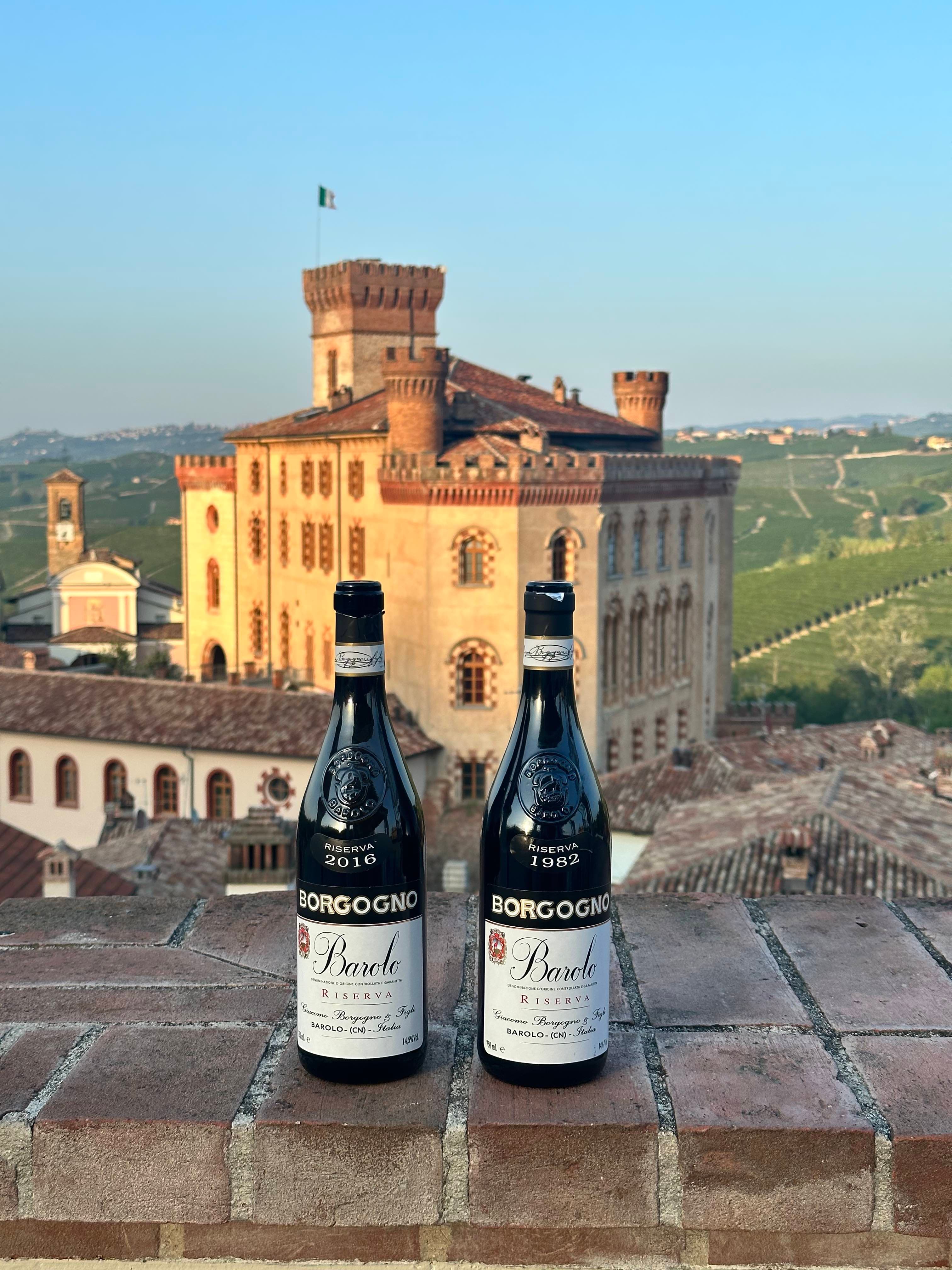
Barolo's castle from Borgogno's roof top
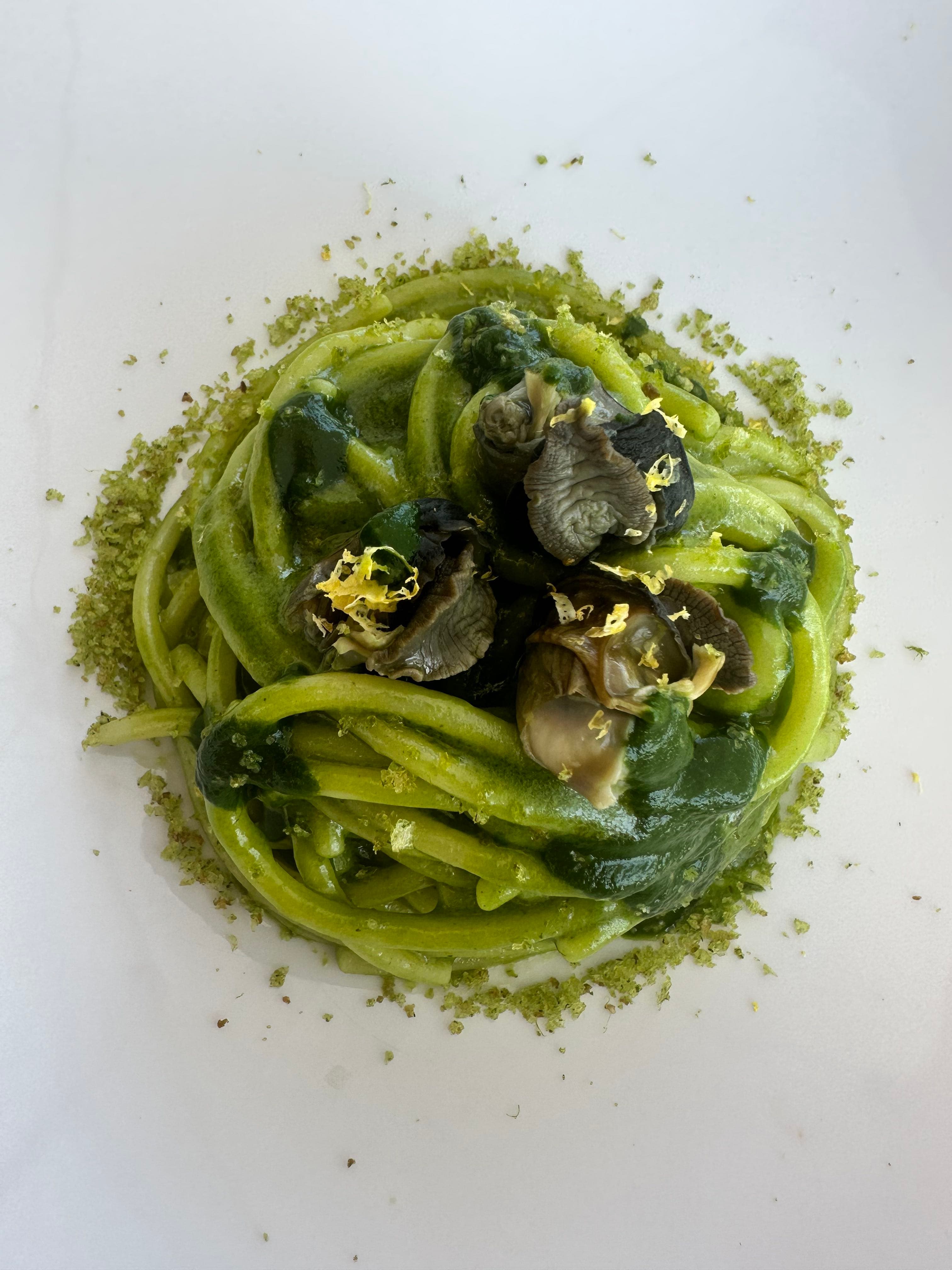
A snail pasta
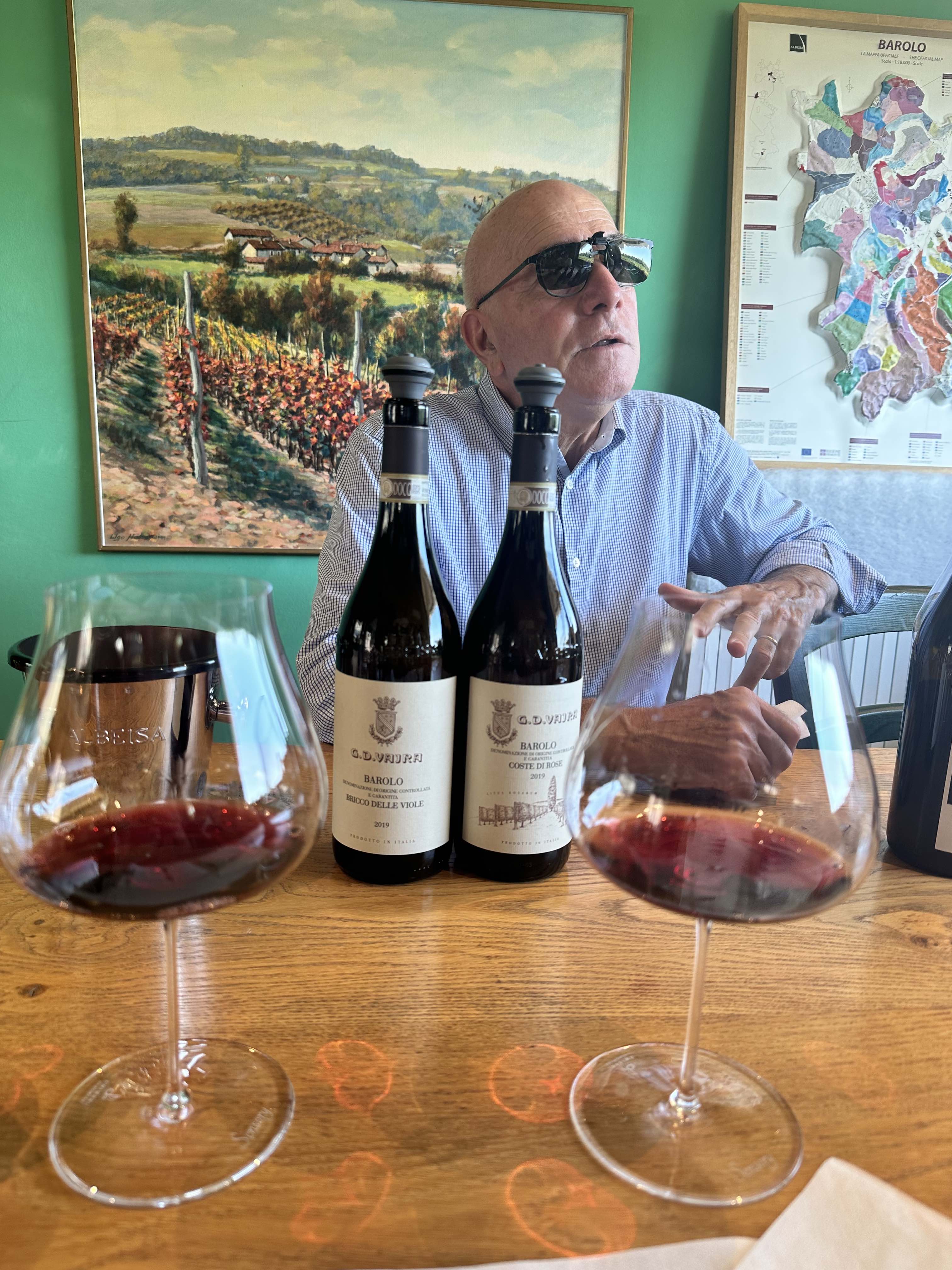
Winemaker Aldo Vajra
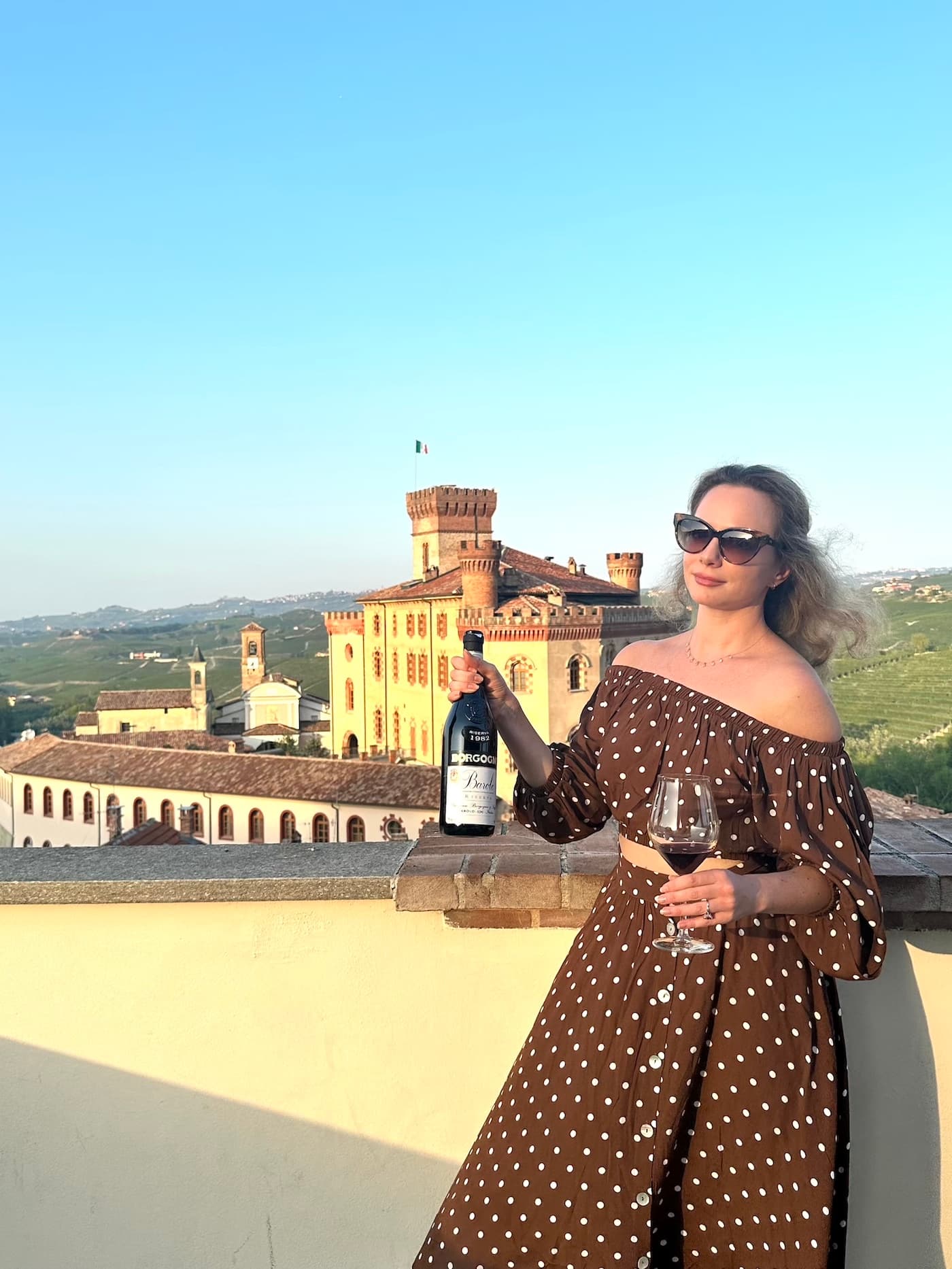
Gabrielle in Barolo
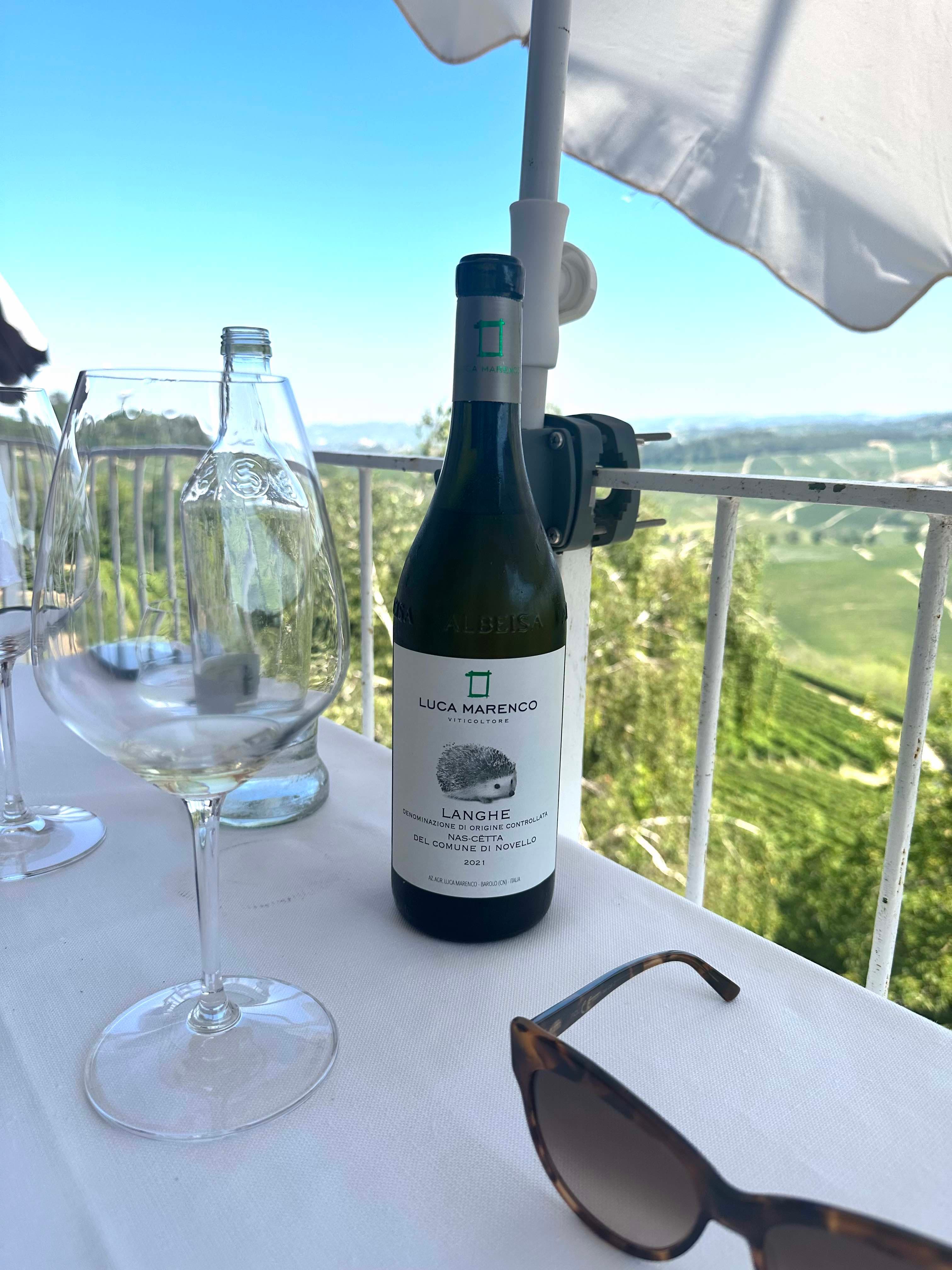
Langhe views