/



France drinks twice as much Port as Portugal. The world’s leading market since 1963, its habits are gradually shifting in favour of premium Ports.
“Port is an apéritif wine.” A myth. We come to realise this as we discover the so-called special categories. These are great wines, built on a precise art of blending—creations of complexity and structure, capable of ageing for decades. “Twenty-five years ago, when I spoke of Port as an end-of-meal wine, sommeliers looked at me as if I were an alien. There are still many prejudices about Port, even if today the tastemakers’ discourse has changed,” recalls Jorge Rosas, export director at Ramos Pinto. At present, we still import 92% standard cuvées. “We want to show that there is such a thing as exceptional Port,” emphasises Manuel de Novaes Cabral, president of the Instituto dos Vinhos do Douro e do Porto (IVDP).
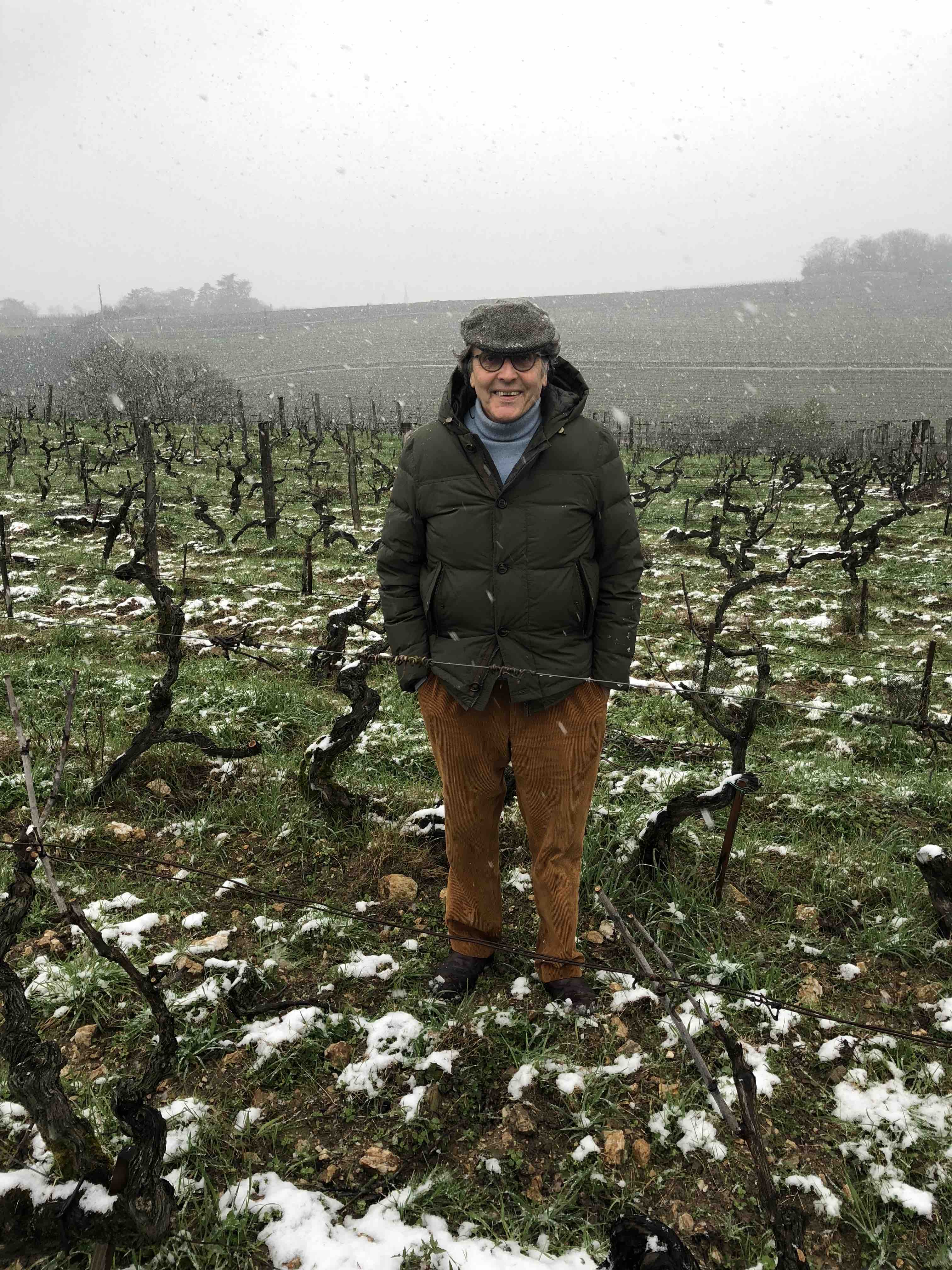
The grapes are grown and vinified in the Douro Valley along a 60 km stretch from the Spanish border: 44,000 hectares planted with more than a hundred native grape varieties that “drink the sun and eat the dust.” The vines endure intense stress, driving through granite and schist soils—sometimes more than twenty metres deep—in search of moisture. We too often forget to link a wine’s value to the effort required in the vineyard. Yet this landscape—recognised for its beauty by UNESCO and by all who have laid eyes on it—is, beyond its postcard charm, one of the most difficult vineyards in the world to cultivate and maintain. The staggering succession of terraces stacked on sometimes vertiginous slopes pushes growers to extraordinary ingenuity to resist soil erosion, a regional inevitability. The traditional high-yield socalcos terraces, framed by dry-stone walls, are preserved and restored, but they have no longer been the dominant system since the 1960s. They were replaced by patamares, with lower planting densities and vegetation that acts as a natural enclosure, as well as vinhas ao alto, where rows are aligned in the direction of the steepest gradient. These methods have the advantage of allowing mechanisation. Terroirs are graded from A to F in descending quality. This determines the level of benefício allocated by the IVDP—i.e., the quotas of grapes that may be used for the various categories.
The grapes destined for the most luxurious cuvées are still trodden by foot in large granite vats, the traditional lagares. Certain human gestures cannot be matched by a machine: the gentle pressure, with its irregular yet festive rhythm, is ideal for extracting substance from the fruit. During alcoholic fermentation, only half the sugars are converted into alcohol, producing a must of 6 to 8% ABV, before the process is halted by the addition of aguardente—a 77% grape spirit. Fortification (mutage) is done at roughly four parts wine to one part aguardente, resulting in a Port of around 20% alcohol.
Ageing in Vila Nova de Gaia, the town neighbouring Porto—separated from it by the Douro’s mouth—offers ideal conditions. The coolness and humidity brought by the proximity of the sea, as well as strong temperature variations, give the wines greater finesse, iodine-tinged notes, and heightened freshness compared to those aged in the Douro’s arid interior.
Special-category Ports differ from standard cuvées through longer ageing and through an indication of age or vintage.
The fate of young Ports is decided quickly. The “master tasters” must marshal all their senses to project a wine’s flavour forward in time. Colour, organoleptic profile, and terroir are all factors that allow experts to anticipate a wine’s potential. The style of Port—“reductive” (aged anaerobically) or “oxidative” (exposed to air during ageing)—is determined according to these same criteria.
Premium reductive Ports are aged in cask for two years, after which the oenologist once again directs their destiny. A large share will remain in wood for a few more years and will go into Late Bottled Vintage (LBV): vintage-dated wines with already significant structure, but with less capacity to evolve in bottle. The most concentrated and powerful wines become the chosen ones for the supreme category of Vintage. They represent less than 1% of total production. The houses must “declare” the vintage, and the young Ports are bottled directly, where they begin the long transformation their promise suggested from the outset. Over the course of this evolution—which can last more than fifty years—the wine becomes a great Port of incomparable structure, abundant tannins, and unrivalled complexity.
Oxidative Ports owe their deep brick colour—“tawny” in English—to years of slow aeration. They earn their noble status when they carry an age indication—10 years, 20 years, 30 years or more than 40 years—or a vintage in the case of Colheita. Tawnies are blends of different vintages designed to express, beyond an approximate average age, a house style. A challenge for the oenologist, who seeks consistency of expression while working with wines often separated by decades. A Portuguese saying sums it up: “Vintage is made by God with the help of man, and tawny is made by man with the help of God.” A duo that, in both directions, seems to work remarkably well. As they say over there: saúde—to the happiness of discovering these very special cuvées!